What is a Liver Function Test?
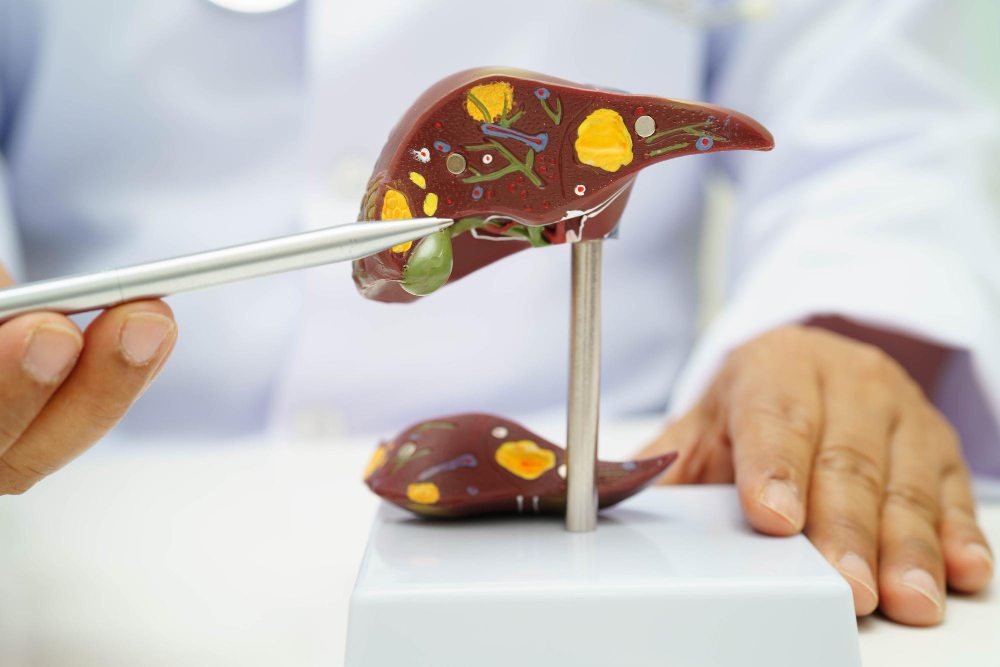
A Liver Function Test checks how well your liver is working. Doctors use this test to measure different chemicals and proteins in your blood. These levels show if your liver is healthy or if there may be a problem. Often, the test is called an LFT or liver panel. It is a simple blood test done in clinics or hospitals.
Why is a Liver Function Test Important?
Many people do not notice liver problems early. However, a Liver Function Test can find issues before symptoms appear. This test helps doctors:
Because the liver is vital for your health, early testing can prevent serious problems.
Common Symptoms Leading to a Liver Function Test
Sometimes, your doctor may suggest a Liver Function Test if you have certain symptoms. For example, you might notice:
In addition, people with a family history of liver disease may need regular testing.
How is a Liver Function Test Performed?
The liver function test procedure is quick and safe. First, a nurse or technician cleans your arm. Next, they use a small needle to take a blood sample. The process usually takes less than five minutes. Afterward, you can return to your normal activities. Most labs and hospitals offer this test. In some areas, you may need to book an appointment in advance.
Understanding Your Liver Function Test Results
After the test, your doctor will explain the liver function test results meaning. The test checks several things, such as:
However, not all abnormal results mean you have a disease. Sometimes, other factors can affect your results. Therefore, always discuss your results with your doctor.
Tips for Preparing for a Liver Function Test
Usually, you do not need to do much to get ready. Still, here are some helpful tips on how to prepare for a liver function test:
Sometimes, your doctor may give you special instructions. Always follow their advice for the best results.
Prevention and Lifestyle Guidance for Liver Health
Even if your test is normal, taking care of your liver is important. For better liver health, you can:
As a result, these habits can help prevent liver problems in the future.
Frequently Asked Questions
To sum up, a Liver Function Test is a simple way to check your liver health. If you have concerns or symptoms, consult at KD Diagnostics Omerga for personalized advice about liver function tests.